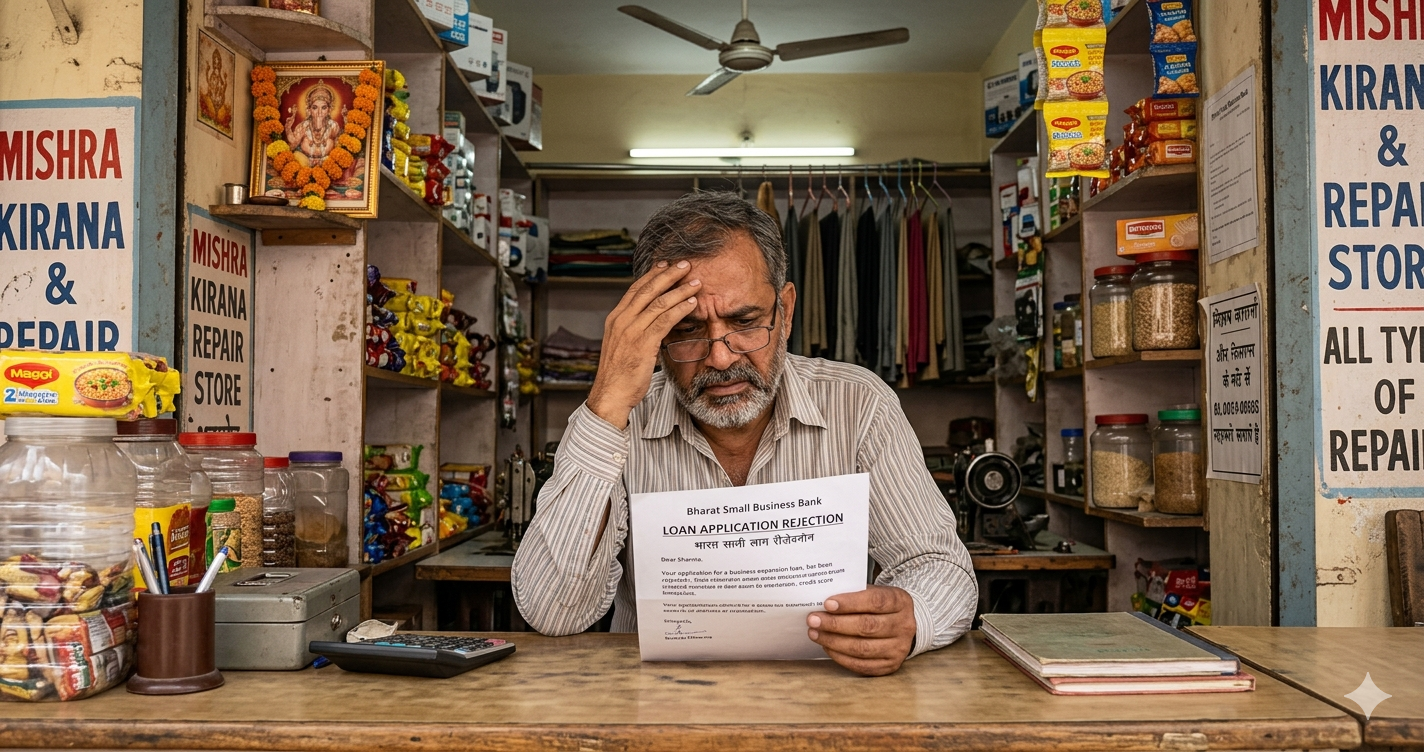
আপনি নিশ্চয়ই সরকারের Pradhan Mantri Mudra Yojana (PMMY) সম্পর্কে শুনেছেন। আত্মবিশ্বাসের সাথে ব্যাংকে গিয়েছিলেন। আর তারপর — প্রত্যাখ্যান। যদি এমনটা আপনার সাথে হয়ে থাকে, তাহলে জানবেন আপনি একা নন। প্রতি মাসে ভারত জুড়ে হাজার হাজার Mudra loan আবেদন প্রত্যাখ্যাত হয়। সুখবর হলো: বেশিরভাগ প্রত্যাখ্যানই সমাধানযোগ্য। এই গাইডটি আপনাকে ঠিক বলবে কেন এটি হয় — এবং এ বিষয়ে কী করবেন।
Sources: mudra.org.in | pib.gov.in | FlexiLoans MSME Report 2025
📋 আপনি কী জানতে পারবেন
Pradhan Mantri Mudra Yojana (PMMY) ৮ এপ্রিল ২০১৫ সালে চালু করা হয়েছিল ভারত জুড়ে ক্ষুদ্র ও অতিক্ষুদ্র ব্যবসায়ীদের জামানতমুক্ত loan প্রদানের লক্ষ্যে। এই প্রকল্পে চারটি বিভাগ রয়েছে — Shishu (₹৫০,০০০ পর্যন্ত), Kishore (₹৫ লাখ পর্যন্ত), Tarun (₹১০ লাখ পর্যন্ত), এবং Tarun Plus (বারবার Tarun ঋণগ্রহীতাদের জন্য ₹২০ লাখ পর্যন্ত)। Loan সরাসরি MUDRA দ্বারা প্রদান করা হয় না — এগুলি ব্যাংক, Regional Rural Banks (RRBs), Non-Banking Financial Companies (NBFCs), এবং Micro Finance Institutions (MFIs)-এর মাধ্যমে বিতরণ করা হয়।
এটি একটি গুরুত্বপূর্ণ বিষয় যা অনেক আবেদনকারী প্রায়ই এড়িয়ে যান: Mudra loan সরকার-সমর্থিত হলেও, ঋণ প্রদানের সিদ্ধান্ত সম্পূর্ণরূপে ব্যাংক গ্রহণ করে। ব্যাংক আপনার ঋণযোগ্যতা, নথিপত্র, ব্যবসার কার্যকারিতা এবং পরিশোধের সক্ষমতা মূল্যায়ন করে — অন্য যেকোনো loan-এর মতোই। সরকারি প্রকল্প হওয়া মানেই অনুমোদনের নিশ্চয়তা নয়।
নিচে ৭টি সবচেয়ে সাধারণ ও যাচাইকৃত কারণ দেওয়া হলো যার জন্য Mudra loan প্রত্যাখ্যাত হয় — এবং প্রতিটির সমাধানে আপনি কী করতে পারেন।
1 কম বা শূন্য CIBIL Score
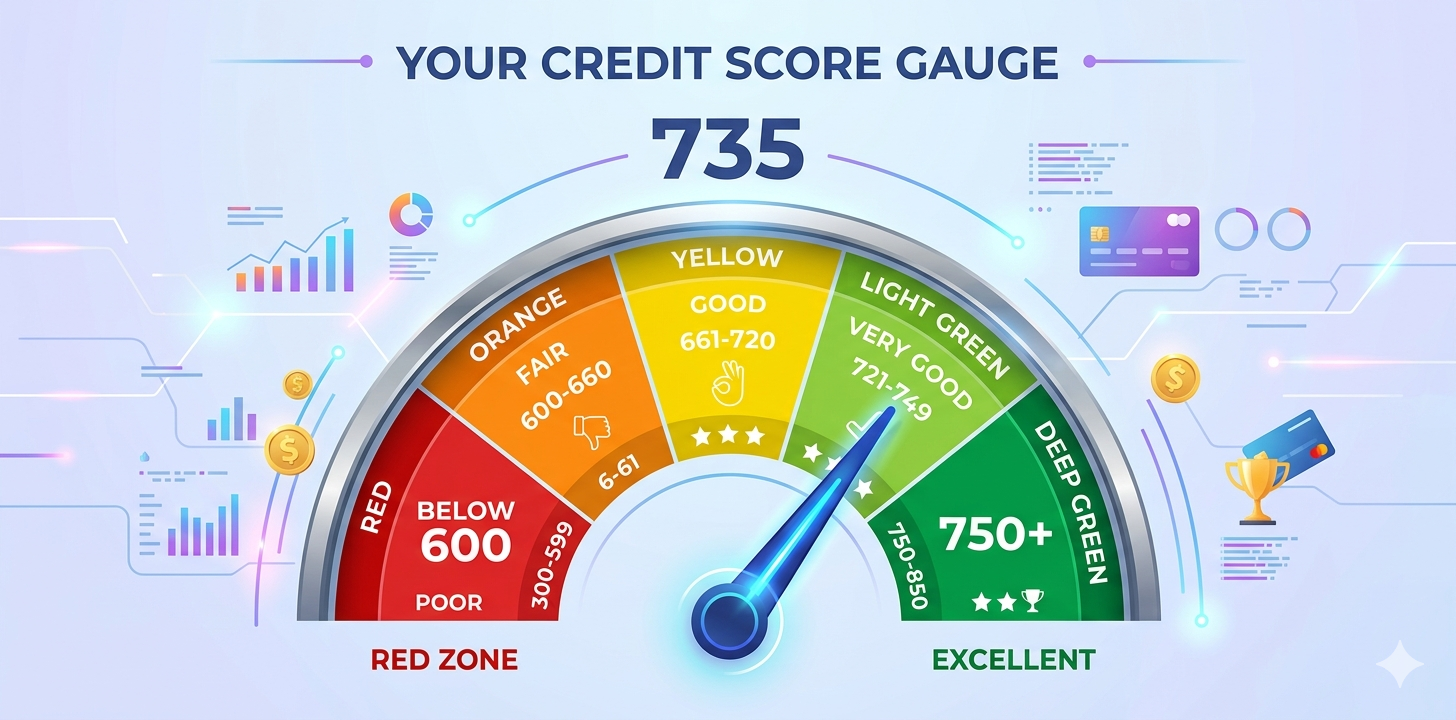
আপনি যখন যেকোনো loan-এর জন্য আবেদন করেন — Mudra loan সহ — ব্যাংক সর্বপ্রথম আপনার CIBIL score যাচাই করে। CIBIL হলো ৩০০ থেকে ৯০০ পর্যন্ত বিস্তৃত একটি তিন-অঙ্কের সংখ্যা, যা আপনার ঋণ পরিশোধের আচরণ প্রতিফলিত করে: আপনি কতটা নিয়মিতভাবে loan, credit card বিল এবং EMI পরিশোধ করেন।
যদিও PMMY-এর আনুষ্ঠানিক নির্দেশিকায় কোনো ন্যূনতম CIBIL score উল্লেখ নেই, বাস্তব পরিস্থিতি ভিন্ন। ভারত জুড়ে সাধারণ ব্যাংকিং অনুশীলনের ভিত্তিতে:
- ৭০০-এর উপরে: অনুমোদনের ভালো সম্ভাবনা
- ৬৫০–৬৯৯: সম্ভব, তবে ব্যাংক অন্যান্য বিষয়গুলি নিবিড়ভাবে যাচাই করবে
- ৬৫০-এর নিচে: বেশিরভাগ ব্যাংক আবেদন প্রত্যাখ্যান করবে
- ৬০০-এর নিচে: অনুমোদন প্রায় অসম্ভব
একটি খেলাপি mobile EMI, একটি বাউন্সড চেক, বা একটি মিসড credit card পেমেন্টও আপনার CIBIL score কমিয়ে দিতে পারে। ব্যাংক এটিকে আর্থিক অনিয়মের একটি ধারা হিসেবে দেখে — এবং Mudra-র মতো জামানতমুক্ত loan-এর ক্ষেত্রে তারা এই ঝুঁকি নিতে পারে না।
আপনার যদি কোনো credit history না থাকে — অর্থাৎ আপনি কখনো loan নেননি বা credit card ব্যবহার করেননি — এটিও একটি সমস্যা তৈরি করে। আপনার পরিশোধের আচরণ মূল্যায়ন করার জন্য ব্যাংকের কাছে কোনো তথ্য থাকে না।
- বছরে একবার cibil.com-এ বিনামূল্যে আপনার CIBIL score যাচাই করুন।
- আপনার score যদি পূর্ববর্তী খেলাপির কারণে কম হয়, তাহলে প্রথমে সেই বকেয়া পরিশোধ করুন এবং পুনরায় আবেদনের আগে ৩–৬ মাস অপেক্ষা করুন — বকেয়া পরিশোধের পরে আপনার score উন্নত হয়।
- আপনার যদি কোনো credit history না থাকে, তাহলে ছোট থেকে শুরু করুন: আপনার ব্যাংক থেকে কম সীমার একটি credit card নিন, ছোট কেনাকাটার জন্য ব্যবহার করুন, এবং ৬ মাস ধরে প্রতি মাসে সম্পূর্ণ পরিমাণ পরিশোধ করুন। এটি আপনার score তৈরি করে।
- Shishu loan-এর ক্ষেত্রে (₹৫০,০০০ পর্যন্ত), কিছু ব্যাংক এবং MFI CIBIL বিষয়ে আরও নমনীয়। আপনার home-branch ব্যাংকে আবেদন করুন যেখানে আপনার বেতন বা ব্যবসায়িক account রক্ষণাবেক্ষণ করা হয় — তারা আপনার লেনদেনের ইতিহাস জানে।
2 অসামঞ্জস্যপূর্ণ বা অসম্পূর্ণ নথিপত্র
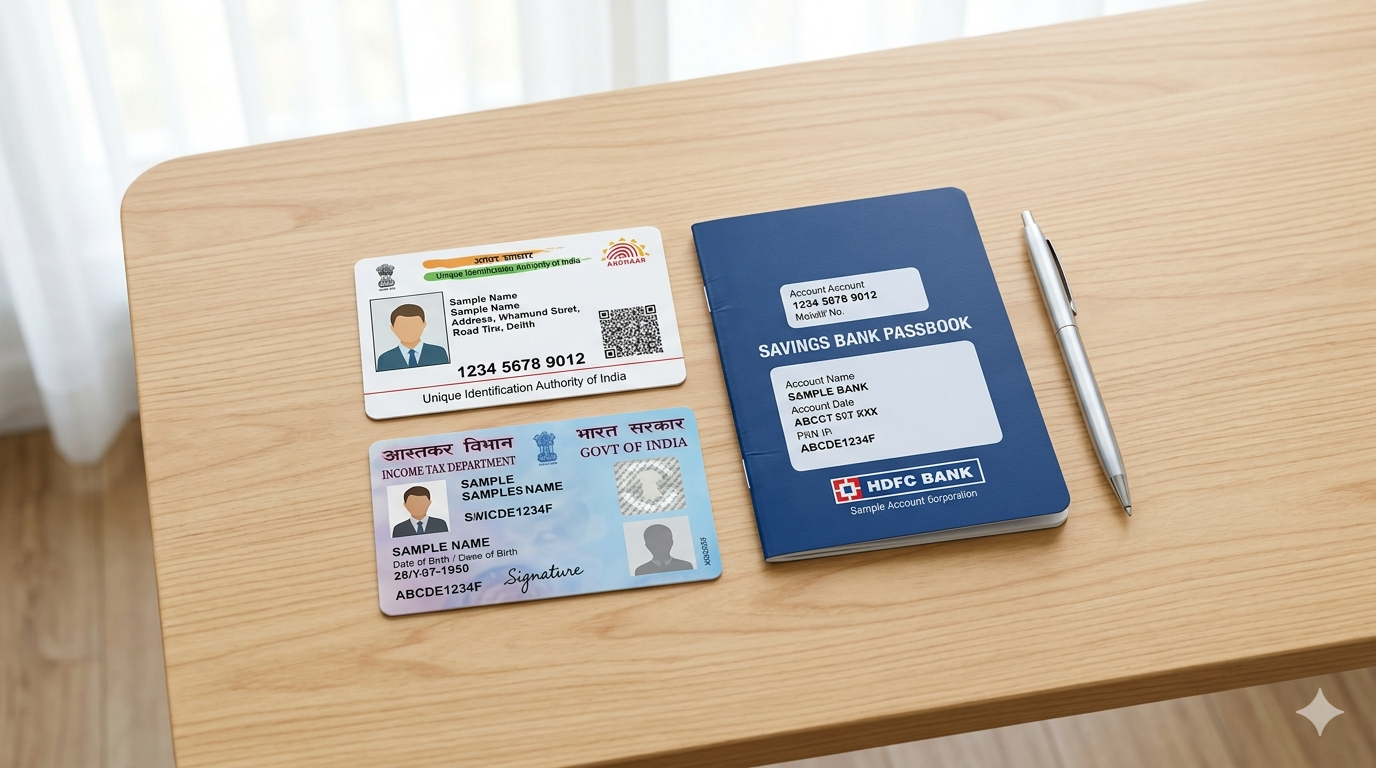
অসম্পূর্ণ বা অসামঞ্জস্যপূর্ণ নথিপত্র ভারত জুড়ে Mudra loan প্রত্যাখ্যানের একক সবচেয়ে সাধারণ কারণ। ব্যাংক কঠোর Know Your Customer (KYC) যাচাই পরিচালনা করে। এমনকি একটি ছোট অসামঞ্জস্যও — যেমন আপনার Aadhaar card-এ থাকা ঠিকানা বনাম আপনার দোকানের ভাড়া চুক্তিতে থাকা ঠিকানা — স্বয়ংক্রিয় প্রত্যাখ্যানের কারণ হতে পারে।
যেসব সাধারণ নথিপত্রের অসামঞ্জস্য প্রত্যাখ্যানের কারণ হয়:
- Aadhaar-এ থাকা ঠিকানা ভাড়া চুক্তি বা utility bill-এ থাকা ঠিকানার সাথে মেলে না
- PAN card-এ থাকা নাম Aadhaar-এ থাকা নামের থেকে সামান্য আলাদা (যেমন, মধ্যবর্তী নাম অনুপস্থিত)
- ব্যবসার ঠিকানার প্রমাণ পুরনো বা অন্য কারো নামে
- জমা দেওয়া bank statement প্রয়োজন অনুযায়ী গত ৬ মাসের নয়
- Passport-size ছবি পুরনো বা প্রয়োজনীয় আকারের নয়
- Kishore এবং Tarun loan-এর ক্ষেত্রে: business plan বা project report অনুপস্থিত
- আবেদন করার আগে uidai.gov.in-এ আপনার Aadhaar ঠিকানা আপনার বর্তমান ব্যবসায়িক বা আবাসিক ঠিকানার সাথে মিলিয়ে আপডেট করুন।
- নিশ্চিত করুন যে আপনার নাম সমস্ত নথিপত্রে হুবহু একই綴রীতিতে লেখা আছে। যদি কোনো অসামঞ্জস্য থাকে, তাহলে প্রথমে সংশ্লিষ্ট কর্তৃপক্ষের কাছে সংশোধনের আবেদন করুন।
- আবেদন করার আগে আপনার ব্যাংক থেকে গত ৬ মাসের bank statement সংগ্রহ করুন — downloaded PDF-এর উপর নির্ভর করবেন না কারণ কিছু ব্যাংক এগুলি প্রত্যাখ্যান করে।
- Kishore এবং Tarun loan-এর জন্য একটি মৌলিক business plan প্রয়োজন — আমরা নিচে ৬ নম্বর কারণে এটি আলোচনা করেছি।
3 আপনার ব্যবসায়িক কার্যক্রম PMMY-এর আওতায় যোগ্য নয়
Mudra loan অকৃষি, অ-কর্পোরেট আয়-উৎপাদনকারী কার্যক্রমের জন্য ডিজাইন করা হয়েছে। এর মানে হলো নির্দিষ্ট ধরনের ব্যবসা কেবল যোগ্য নয় — আপনার আবেদন যতই শক্তিশালী হোক না কেন। অনেক আবেদনকারী এই সীমাবদ্ধতা সম্পর্কে অসচেতন এবং কারণ না বুঝেই প্রত্যাখ্যানের মুখোমুখি হন।
যেসব কার্যক্রম Mudra loan-এর জন্য যোগ্য নয়:
- ফসল ঋণ এবং সরাসরি কৃষি কার্যক্রম (চাষাবাদ, কৃষিকাজ)
- ভূমি উন্নয়নমূলক কার্যক্রম — খাল, সেচ, কূপ
- বিশুদ্ধ ব্যবসায়িক কার্যক্রম যেখানে কোনো মূল্য সংযোজন নেই (কিছু ব্যাংকের ব্যাখ্যায়)
- অন্যান্য নির্দিষ্ট সরকারি প্রকল্পের আওতায় ইতিমধ্যে অর্থায়িত কার্যক্রম
যেসব কার্যক্রম যোগ্য (উদাহরণমূলক তালিকা):
- দোকান, ব্যবসা এবং খুচরা ব্যবসায়িক প্রতিষ্ঠান
- উৎপাদন ইউনিট — খাদ্য প্রক্রিয়াকরণ, বস্ত্র, হস্তশিল্প
- সেবামূলক ব্যবসা — সেলুন, দর্জি, মেরামত দোকান, DTP centre, courier সেবা
- পরিবহন যান — অটো-রিকশা, ট্যাক্সি, e-rickshaw, ছোট পণ্যবাহী যান (শুধুমাত্র বাণিজ্যিক ব্যবহারের জন্য)
- সহায়ক কৃষি কার্যক্রম — পোল্ট্রি, দুগ্ধজাত পণ্য, মৌমাছি পালন, মৎস্য চাষ, কৃষি-প্রক্রিয়াকরণ
- আবেদন করার আগে, mudra.org.in-এ নিশ্চিত করুন যে আপনার ব্যবসার ধরন যোগ্য কিনা।
- আপনি যদি একজন কৃষক হন এবং পাশাপাশি কোনো সহায়ক কার্যক্রমও পরিচালনা করেন (যেমন, চাষাবাদের পাশাপাশি পোল্ট্রি বা দুগ্ধজাত পণ্য), তাহলে সহায়ক কার্যক্রমের অংশটি যোগ্য — সেটির জন্য নির্দিষ্টভাবে আবেদন করুন।
- আপনার প্রাথমিক কার্যক্রম যদি ফসল চাষ হয়, তাহলে Mudra আপনার জন্য সঠিক প্রকল্প নয়। পরিবর্তে PMEGP scheme বা Kisan Credit Card scheme যাচাই করুন।
4 ব্যবসায়িক কার্যক্রমের কোনো প্রমাণ নেই
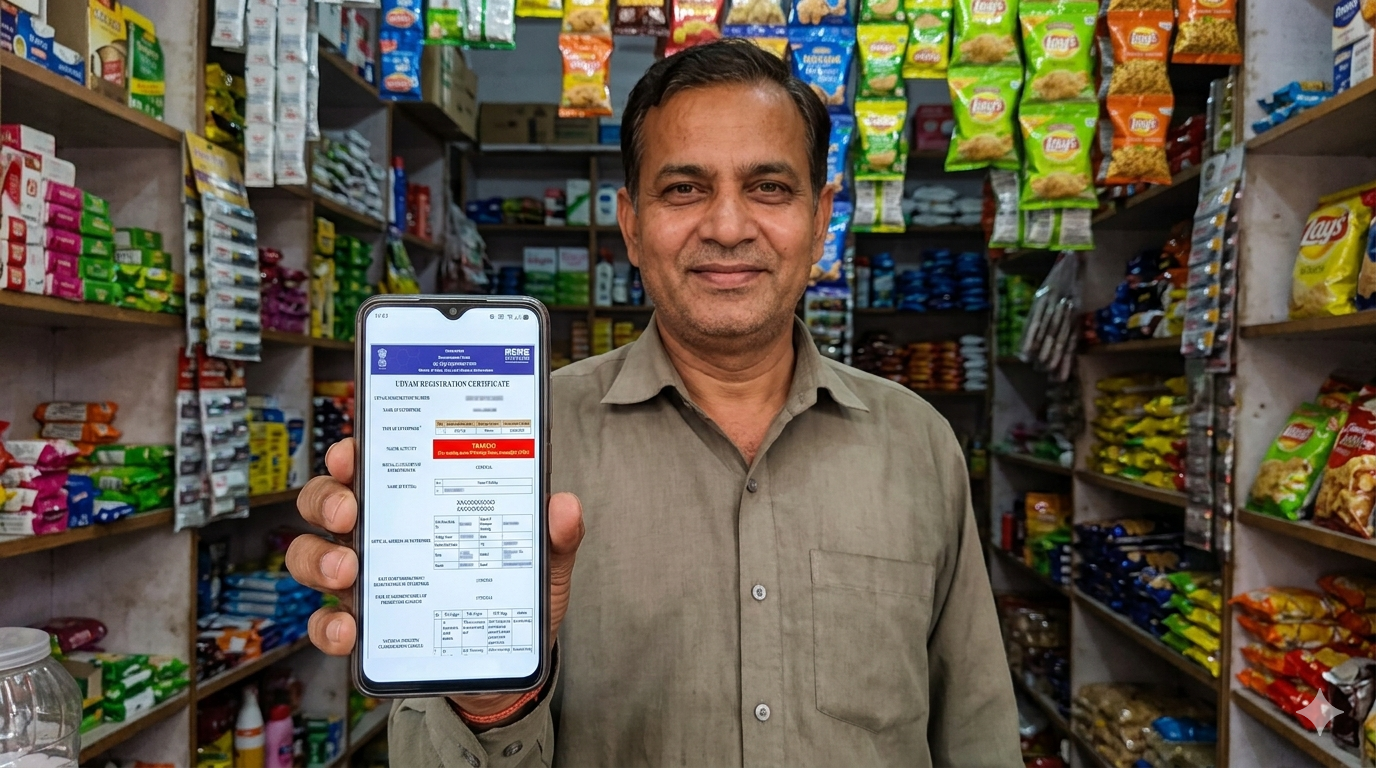
প্রত্যাখ্যানের সবচেয়ে অবমূল্যায়িত কারণগুলির মধ্যে একটি: ব্যাংক নিশ্চিত নয় যে আপনার ব্যবসা সত্যিই বিদ্যমান এবং বর্তমানে পরিচালিত হচ্ছে। কোনো জামানত ছাড়া জামানতমুক্ত loan-এর ক্ষেত্রে, ব্যাংকের প্রমাণ প্রয়োজন যে আবেদনের পেছনে একটি বাস্তব আয়-উৎপাদনকারী ব্যবসা রয়েছে।
আপনি যদি শুধু Aadhaar এবং PAN card নিয়ে ব্যাংকে গিয়ে বলেন "আমি একটি ব্যবসা শুরু করতে চাই," তাহলে বেশিরভাগ ব্যাংক আপনার Kishore বা Tarun আবেদন প্রত্যাখ্যান করবে। ব্যাংকের দেখতে হবে:
- Udyam Registration certificate (বেশিরভাগ ব্যাংক ক্রমবর্ধমানভাবে এটি প্রয়োজন বলে মনে করে)
- GST registration (GST সীমার উপরে ব্যবসার জন্য)
- Shop and Establishment Act লাইসেন্স
- ব্যবসায়িক লেনদেন সহ একটি current account
- আপনার bank account-এ কমপক্ষে ৬ মাসের ব্যবসায়িক লেনদেনের ইতিহাস
- প্রথমে আপনার Udyam Registration সম্পন্ন করুন — এটি সম্পূর্ণ বিনামূল্যে এবং udyamregistration.gov.in-এ ৩০ মিনিটেরও কম সময় লাগে। যেকোনো সরকারি loan আবেদনের আগে এটি একক সবচেয়ে গুরুত্বপূর্ণ পদক্ষেপ। আমাদের সম্পূর্ণ গাইড পড়ুন: Udyam Registration — সম্পূর্ণ গাইড।
- আপনার ব্যবসার জন্য একটি নির্দিষ্ট current account খুলুন (আপনার ব্যক্তিগত savings account থেকে আলাদা) এবং Kishore বা Tarun loan-এর জন্য আবেদন করার আগে কমপক্ষে ৩–৬ মাস নিয়মিত লেনদেনের সাথে এটি পরিচালনা করুন।
- আপনার পৌরসভা থেকে একটি স্থানীয় ব্যবসায়িক লাইসেন্স (Shop and Establishment Act) সংগ্রহ করুন — এটি সহজ, স্বল্প-ব্যয়সাধ্য, এবং সমস্ত ব্যাংক ব্যবসার প্রমাণ হিসেবে গ্রহণ করে।
5 আপনার রেকর্ডে বিদ্যমান Loan খেলাপি
এটি সবচেয়ে সরাসরি প্রত্যাখ্যানের কারণ। আপনি যদি কোনো পূর্ববর্তী loan-এ খেলাপি হয়ে থাকেন — সেটি personal loan, home loan EMI, পূর্ববর্তী Mudra loan, বা এমনকি একটি ছোট দু-চাকার গাড়ির loan হোক না কেন — ব্যাংক এটি আপনার CIBIL report-এ দেখবে এবং তাৎক্ষণিকভাবে আপনার আবেদন প্রত্যাখ্যান করবে।
আনুষ্ঠানিক PMMY যোগ্যতার মানদণ্ডে স্পষ্টভাবে উল্লেখ করা আছে: আবেদনকারীর কোনো ব্যাংক বা আর্থিক প্রতিষ্ঠানে loan খেলাপির ইতিহাস থাকা উচিত নয়।
খেলাপি মানে হলো আপনি পরপর ৩ বা তার বেশি EMI পেমেন্ট মিস করেছেন, এবং loan-টি ব্যাংক কর্তৃক Non-Performing Asset (NPA) হিসেবে শ্রেণিবদ্ধ হয়েছে। খেলাপি যদি বছর আগেও হয়ে থাকে, তবুও এটি ৭ বছর পর্যন্ত আপনার CIBIL report-এ থাকে।
- কোনো বকেয়া বা খেলাপি loan-এর জন্য আপনার CIBIL report যাচাই করুন। cibil.com-এ আপনার বিনামূল্যের বার্ষিক report ডাউনলোড করুন।
- কোনো খেলাপি থাকলে, ঋণদাতার সাথে যোগাযোগ করুন এবং একটি নিষ্পত্তি বা সম্পূর্ণ পরিশোধের বিষয়ে আলোচনা করুন। পরিশোধের পরে, একটি No Objection Certificate (NOC) চান এবং ব্যাংককে CIBIL আপডেট করতে বলুন।
- খেলাপি নিষ্পত্তির পরে, Mudra loan-এর জন্য পুনরায় আবেদন করার আগে কমপক্ষে ৬–১২ মাস অপেক্ষা করুন। নিষ্পত্তির পরে আপনার score ধীরে ধীরে উন্নত হয়।
- খেলাপি যদি ভুলভাবে রিপোর্ট করা হয় (আপনার দোষ নয়), তাহলে সরাসরি CIBIL-এ একটি বিরোধ উত্থাপন করুন — তারা ৩০ দিনের মধ্যে তদন্ত করতে এবং সংশোধন করতে বাধ্য।
6 দুর্বল বা অনুপস্থিত Business Plan
Kishore (₹৫০,০০০-এর উপরে) এবং Tarun (₹৫ লাখের উপরে) বিভাগের loan-এর ক্ষেত্রে, ব্যাংকগুলি একটি মৌলিক business plan বা project report চায়। এটি আলোচনার বাইরে। এটি ছাড়া আপনার আবেদন এগোবে না — আপনার credit score বা নথিপত্র যাই হোক না কেন।
অনেক আবেদনকারী এরকম অস্পষ্ট এক পাতার বিবরণ জমা দেন যেমন "আমি একটি দোকান খুলে পণ্য বিক্রি করতে চাই।" ব্যাংকের এর চেয়ে অনেক বেশি প্রয়োজন। তারা বুঝতে চায়:
- আপনার ব্যবসা ঠিক কী করে এবং কীভাবে আয় করে
- আপনার কত টাকা প্রয়োজন এবং কোন নির্দিষ্ট উদ্দেশ্যে (যন্ত্রপাতি, কাঁচামাল, working capital)
- আপনার মাসিক আয় এবং ব্যয় কত হবে
- আপনি কীভাবে EMI পরিশোধ করার পরিকল্পনা করছেন
- আপনার বিদ্যমান মাসিক রাজস্ব কত (বিদ্যমান ব্যবসার জন্য)
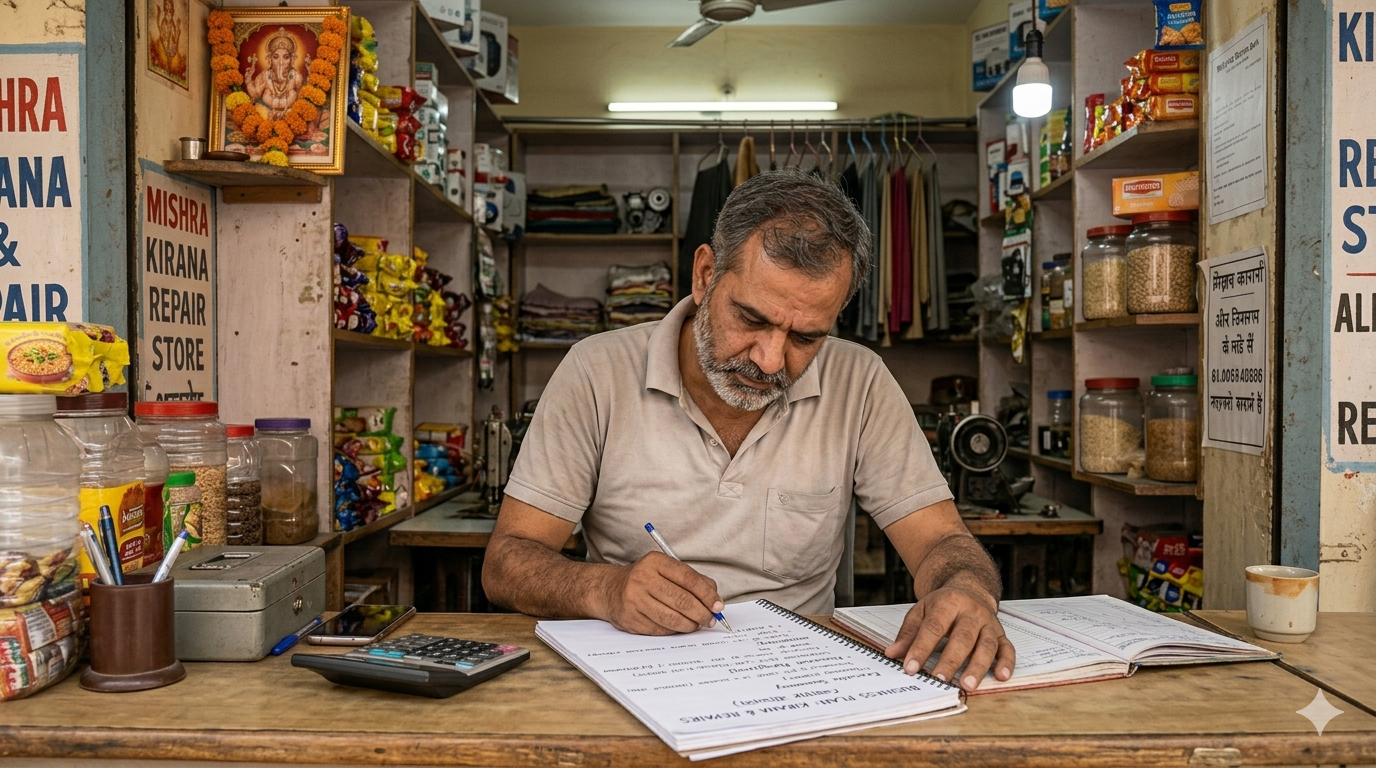
✅ কীভাবে এটি সমাধান করবেন — সহজ Business Plan-এর রূপরেখা
- ব্যবসার বিবরণ: আপনি কী করেন, কোথায় পরিচালনা করেন, কতদিন ধরে ব্যবসায় আছেন
- Loan-এর উদ্দেশ্য: আপনি অর্থ দিয়ে ঠিক কী কিনবেন (যেমন, "₹৮৫,০০০-এ ১টি industrial sewing machine কেনা")
- মাসিক আয়ের অনুমান: আপনার ব্যবসা কত রাজস্ব তৈরি করে বা করবে
- পরিশোধ পরিকল্পনা: দেখান যে আপনার মাসিক আয় আরামদায়কভাবে EMI কভার করে
- বাজার সংক্রান্ত তথ্য: আপনার গ্রাহকদের এবং কেন চাহিদা আছে তার সংক্ষিপ্ত বিবরণ
আপনার নিকটতম District Industries Centre (DIC) অফিস বিনামূল্যে business plan template প্রদান করে। আপনি kviconline.gov.in থেকে নমুনা project report ডাউনলোড করতে পারেন।
7 ভুল বিভাগ বা অযৌক্তিক Loan পরিমাণ
আপনার ব্যবসা যতটুকু ন্যায়সঙ্গত করতে পারে তার চেয়ে বেশি আবেদন করা একটি সাধারণ ভুল — এবং প্রত্যাখ্যানের সরাসরি কারণ। আপনি যদি কোনো ব্যবসার ইতিহাস এবং রাজস্ব ছাড়া প্রথমবারের উদ্যোক্তা হন, তাহলে ₹১০ লাখের Tarun loan-এর জন্য আবেদন সফল হওয়ার সম্ভাবনা খুবই কম। ব্যাংক এমন কোনো প্রমাণ দেখে না যে আপনি এই পরিমাণ পরিশোধ করতে পারবেন।
একইভাবে, অনেক আবেদনকারী ভুল ধরনের প্রতিষ্ঠানে আবেদন করেন। Mudra loan পাওয়া যায়:
- সরকারি খাতের ব্যাংক: SBI, PNB, Canara Bank, Bank of Baroda, Union Bank
- বেসরকারি ব্যাংক: HDFC Bank, ICICI Bank, Axis Bank
- Regional Rural Banks (RRBs)
- NBFCs and MFIs
গ্রামীণ এলাকায় ছোট Shishu loan-এর জন্য, একটি MFI বা RRB প্রায়ই একটি বড় বেসরকারি ব্যাংকের তুলনায় দ্রুত এবং আরও নমনীল প্রক্রিয়াকরণ করে। ₹৫০,০০০ loan-এর জন্য একটি বড় বেসরকারি ব্যাংকে যাওয়া সবসময় সেরা কৌশল নয়।
- সঠিক বিভাগ দিয়ে শুরু করুন: কোনো রাজস্বের ইতিহাস ছাড়া নতুন ব্যবসা → Shishu দিয়ে শুরু করুন। ১+ বছরের ইতিহাস সহ বর্ধমান ব্যবসা → Kishore-এর জন্য আবেদন করুন। শক্তিশালী রাজস্ব সহ প্রতিষ্ঠিত ব্যবসা → Tarun-এর জন্য আবেদন করুন।
- loan পরিমাণ আপনার প্রয়োজনের সাথে মেলান: একটি নির্দিষ্ট উদ্দেশ্যে আপনার ঠিক যা প্রয়োজন তার জন্য আবেদন করুন — আপনার অনুমান করা গোল সংখ্যার জন্য নয়। একটি নির্দিষ্ট যন্ত্রের জন্য ₹৭৮,০০০-এর অনুরোধ (একটি quotation সহ) "ব্যবসার জন্য ₹১ লাখ"-এর অনুরোধের চেয়ে বেশি বিশ্বাসযোগ্য।
- সঠিক প্রতিষ্ঠানে আবেদন করুন: Shishu loan-এর জন্য, MFI বা আপনার স্থানীয় সমবায় ব্যাংকে চেষ্টা করুন। Kishore এবং Tarun-এর জন্য, আপনার home-branch সরকারি খাতের ব্যাংকে যোগাযোগ করুন। একসাথে ঋণদাতার অফার তুলনা করতে udyamimitra.in-এ অনলাইনে আবেদন করুন।
দ্রুত রেফারেন্স: সমস্ত ৭টি কারণ এবং তাদের সমাধান
| # | প্রত্যাখ্যানের কারণ | কীভাবে সমাধান করবেন | সমাধানের সময় |
|---|---|---|---|
| 1 | কম CIBIL score (৬৫০-এর নিচে) | বকেয়া পরিশোধ করুন, credit ইতিহাস তৈরি করুন | ৩–১২ মাস |
| 2 | অসামঞ্জস্যপূর্ণ / অসম্পূর্ণ নথিপত্র | Aadhaar ঠিকানা আপডেট করুন, নামের অসামঞ্জস্য সংশোধন করুন | ১–৪ সপ্তাহ |
| 3 | অযোগ্য ব্যবসায়িক কার্যক্রম | mudra.org.in-এ যোগ্য কার্যক্রমের তালিকা যাচাই করুন | তাৎক্ষণিক |
| 4 | ব্যবসায়িক কার্যক্রমের কোনো প্রমাণ নেই | Udyam Registration করুন (বিনামূল্যে, ৩০ মিনিট) | একই দিনে |
| 5 | বিদ্যমান loan খেলাপি | বকেয়া নিষ্পত্তি করুন, NOC নিন, ৬–১২ মাস অপেক্ষা করুন | ৬–১৮ মাস |
| 6 | দুর্বল / অনুপস্থিত business plan | রাজস্ব এবং পরিশোধ প্রক্ষেপণ সহ ২–৩ পাতার plan লিখুন | 1–3 days |
| 7 | ভুল বিভাগ / অযৌক্তিক পরিমাণ | সঠিক বিভাগ দিয়ে শুরু করুন, নির্দিষ্ট প্রয়োজন অনুযায়ী পরিমাণ নির্ধারণ করুন | তাৎক্ষণিক |
আবেদনের আগে আপনার চেকলিস্ট — ব্যাংকে যাওয়ার আগে
- CIBIL score ৬৫০-এর উপরে (cibil.com-এ যাচাই করুন)
- Udyam Registration সম্পন্ন (udyamregistration.gov.in)
- Aadhaar ঠিকানা আপনার ব্যবসায়িক বা গৃহ ঠিকানার সাথে মেলে
- PAN card-এর নাম হুবহু Aadhaar নামের সাথে মেলে
- ব্যবসায়িক bank account-এ কমপক্ষে ৩–৬ মাসের লেনদেন রয়েছে
- গত ৬ মাসের bank statement মুদ্রিত এবং প্রস্তুত
- ব্যবসার প্রমাণ পাওয়া যাচ্ছে (দোকান লাইসেন্স, Udyam certificate, প্রযোজ্য হলে GST)
- Business plan লেখা আছে (Kishore এবং Tarun loan-এর জন্য)
- Loan পরিমাণ একটি নির্দিষ্ট উদ্দেশ্য সহ ন্যায়সঙ্গত (যন্ত্রপাতি কেনার ক্ষেত্রে quotation)
- ব্যবসায়িক কার্যক্রম mudra.org.in-এ যোগ্য তালিকায় রয়েছে
৬০ সেকেন্ডে আপনার Mudra Loan যোগ্যতা যাচাই করুন
MSMEGyan-এর বিনামূল্যের eligibility calculator ব্যবহার করুন জানতে আপনি কোন Mudra বিভাগের জন্য যোগ্য — Shishu, Kishore, Tarun, বা Tarun Plus।
যোগ্যতা যাচাই করুন →MSMEGyan-এর সম্পর্কিত গাইড
- 📋 Udyam Registration — সম্পূর্ণ বিনামূল্যের গাইড ২০২৫s
- 🏭 PMEGP Loan — কীভাবে ১৫–৩৫% সরকারি ভর্তুকি পাবেন
- 🛡️ CGTMSE — ₹১০ কোটি পর্যন্ত জামানতমুক্ত MSME Loan
- 🔨 PM Vishwakarma Yojana — যোগ্যতা, Loan ও সুবিধাসমূহ
প্রায়শই জিজ্ঞাসিত প্রশ্নাবলী
উপসংহার
Mudra loan-এর জন্য প্রত্যাখ্যাত হওয়া হতাশাজনক — কিন্তু এটি কদাচিৎ পথের শেষ। এই গাইডে আলোচিত সাতটি কারণ সবই সমাধানযোগ্য। সবচেয়ে সাধারণ সমস্যাগুলি — কম CIBIL score, নথিপত্রের অসামঞ্জস্য, এবং Udyam Registration-এর অভাব — কয়েক দিন বা সপ্তাহের মধ্যে সমাধান করা যায়।
The single most important step you can take right now, regardless of your situation, is to get your Udyam Registration done. It is free, takes 30 minutes, and is the foundation of almost every government business loan scheme in India.
Once you have fixed the relevant issues, apply online at udyamimitra.in — India’s official government portal for Mudra loans — where you can compare offers from multiple lenders at once.
আবেদন করতে প্রস্তুত? প্রথমে আপনার যোগ্যতা যাচাই করুন
MSMEGyan-এর বিনামূল্যের Mudra loan eligibility checker আপনাকে বলবে কোন বিভাগটি আপনার ব্যবসার জন্য উপযুক্ত — ৬০ সেকেন্দের মধ্যে।
বিনামূল্যে যোগ্যতা যাচাই করুন →দায়বদ্ধতা অস্বীকার এই নিবন্ধটি শুধুমাত্র সাধারণ তথ্যমূলক উদ্দেশ্যে। Loan অনুমোদন সম্পূর্ণরূপে ঋণদানকারী প্রতিষ্ঠানের বিবেচনাধীন। প্রকল্পের বিবরণ আনুষ্ঠানিক সূত্র — mudra.org.in এবং pib.gov.in — থেকে মে ২০২৫ পর্যন্ত যাচাই করা হয়েছে। আবেদন করার আগে mudra.org.in-এ বর্তমান নির্দেশিকা যাচাই করুন। MSMEGyan গাইডেন্স বা প্রকল্পের তথ্যের জন্য কোনো ফি নেয় না।
Pingback: Mudra Loan Rejected Due to Incomplete Business Plan (2026)
Pingback: Mudra Loan Verification for Rented Business Premises (2026)
Pingback: Update Your Project Report Before Mudra Loan Reapplication
Pingback: Mudra Loan Reapplication: 25 Checks for Fresh Approval 2026
Pingback: Mudra Loan Approved After Rejection: Case Study (2026)
Pingback: Mudra Loan Approval After Correcting Project Report
Pingback: Mudra Loan Success Story: Missing Documents to Approval